


News Center
Shandong Zhensure New Materials Technology Industry Co., Ltd.
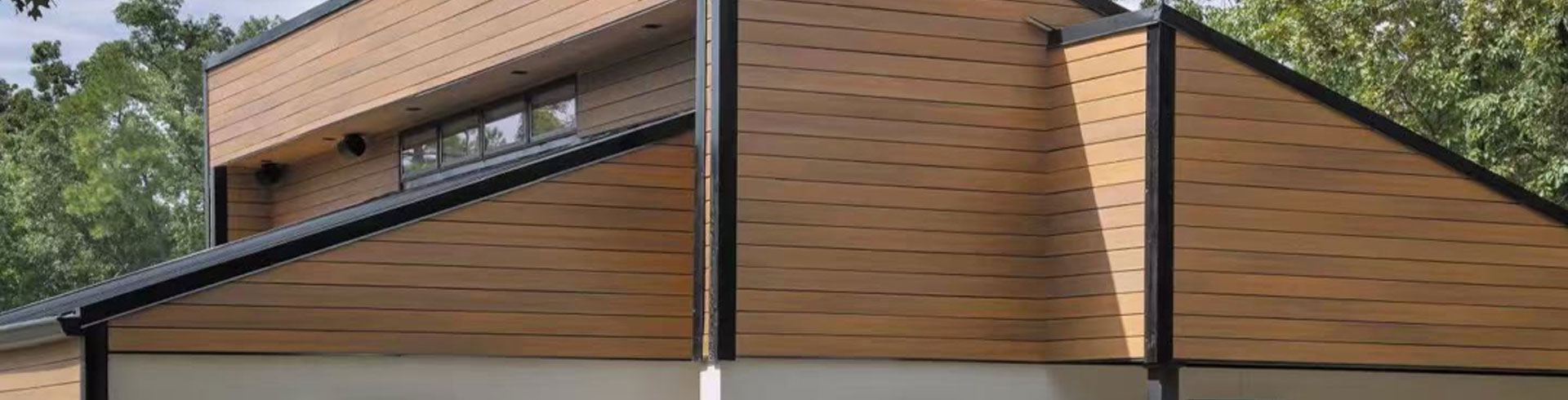

For professional importers and distributors, a deep understanding of product specifications is key to making informed sourcing decisions and providing expert advice to your clients. Wood-plastic composite flooring is not a one-size-fits-all product; its performance and suitability vary significantly based on its internal structural profile. At Zhensure, we manufacture a comprehensive range of profiles to meet diverse project demands worldwide. This technical guide will help you navigate the core differences, ensuring you select the optimal type for each application, just as we do for every wood-plastic composite flooring shipment destined for global markets.
Mastering these distinctions allows you to confidently recommend the right product for high-traffic commercial spaces, residential gardens, or specialized installations, thereby enhancing your value as a knowledgeable supplier.
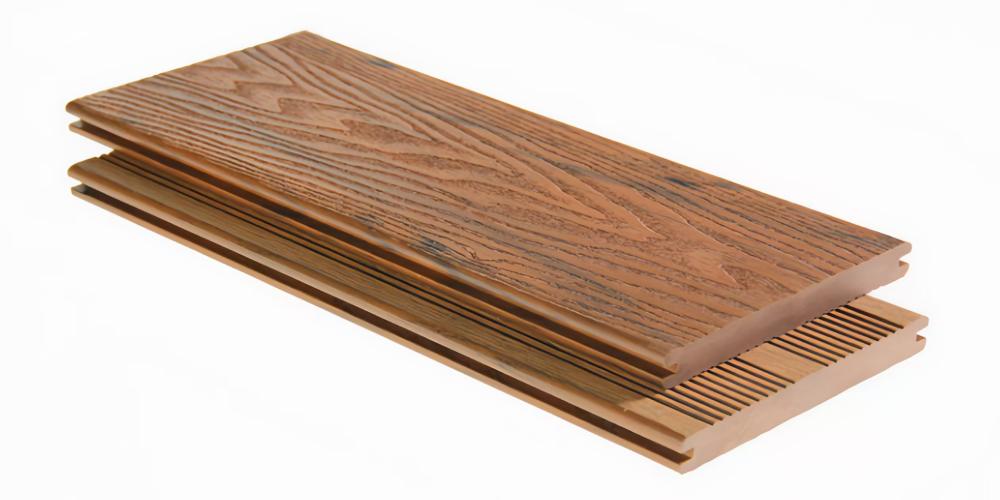
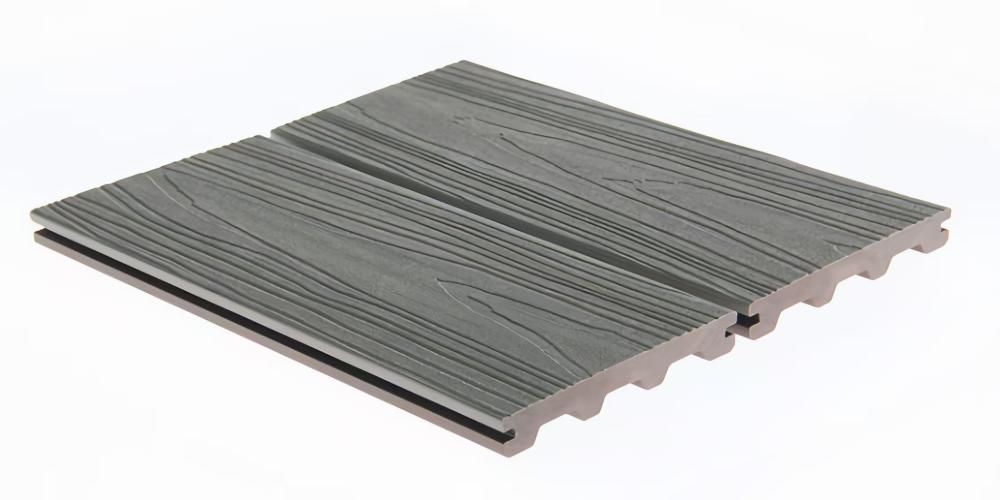
Solid WPC Flooring: Maximum Strength for Demanding Applications
As the name implies, solid profile decking has a dense, non-hollow core. This structure offers superior mechanical strength and load-bearing capacity.
Key Advantages & Applications:
Exceptional Durability: Ideal for commercial settings like public boardwalks, restaurant terraces, and marina docks where heavy foot traffic and constant load are expected.
Premium Aesthetics & Feel: Offers a substantial, solid feel underfoot and typically presents the most realistic wood-grain surface, appealing to high-end residential projects.
Optimal Weathering Resistance: With minimal internal voids, it has excellent resistance to moisture ingress and thermal expansion/contraction.
Considerations: This profile is heavier, which can impact shipping costs, and generally commands a higher price point due to material density.
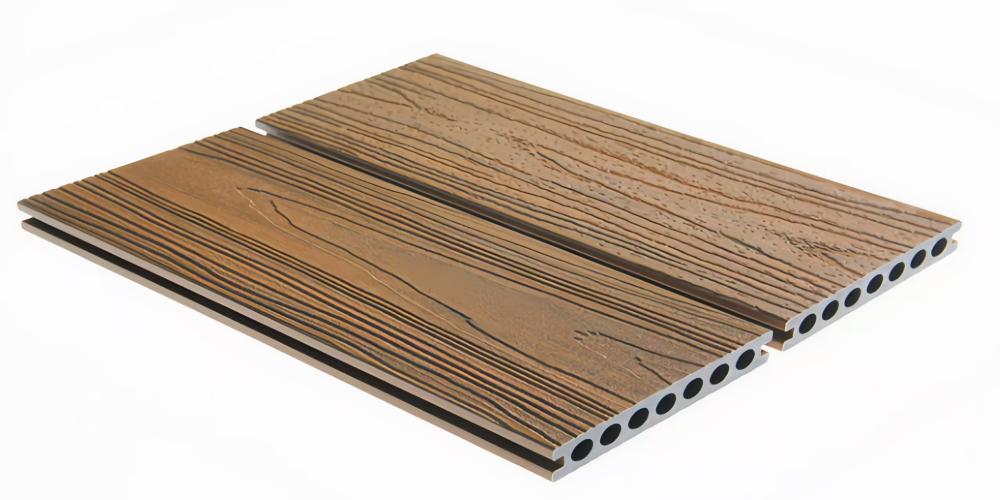
Hollow (Multi-Chamber) WPC Flooring: The Balanced Performer
Hollow profiles feature engineered internal chambers or channels (round or square). This design reduces weight and material usage while maintaining structural integrity.
Key Advantages & Applications:
Lightweight & Cost-Effective: Easier and faster to handle and install, reducing labor costs. Offers an excellent balance of performance and value, perfect for most residential decks, garden pathways, and balcony flooring.
Superior Drainage & Ventilation: The hollow chambers allow water and air to flow freely underneath, preventing moisture buildup, reducing mildew risk, and promoting a drier surface.
Material Efficiency: An eco-friendly choice that uses fewer raw materials without compromising key performance attributes.
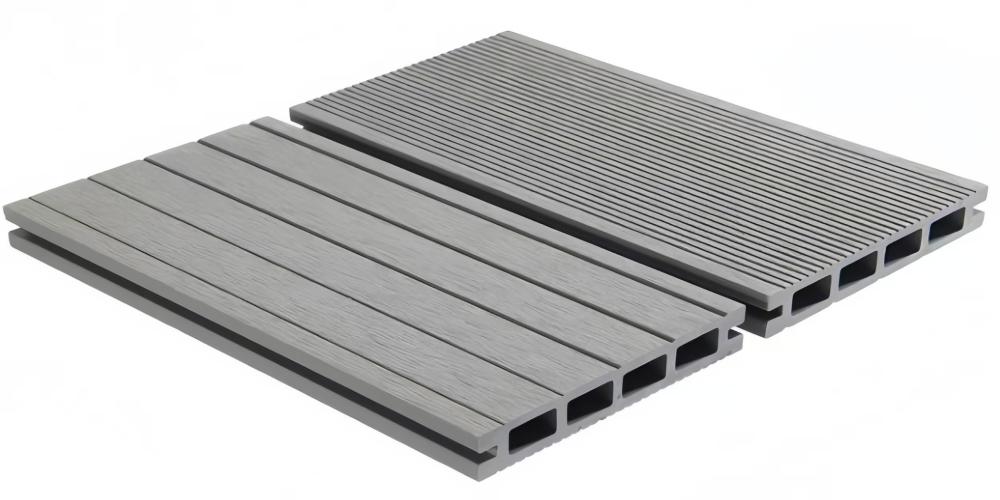
Dual-Capped WPC Flooring: Enhanced Protection & Longevity
While technically a surface technology, it is crucial to mention that at Zhensure, both solid and hollow profiles can be enhanced with our dual-capped co-extrusion process. This adds a protective polymer shell on all four sides.
Key Advantages & Applications:
Superior Fade & Stain Resistance: The cap layer provides an extra barrier against UV rays, spills, and scratches, ensuring color retention and easier cleaning. This is essential for projects in intense sun or where aesthetics are paramount.
Extended Warranty & Lifespan: This advanced manufacturing technique allows for stronger performance guarantees, a powerful selling point for your clients.
Choosing the Right Profile for Your Market
Aligning the product profile with the end-use case is critical for customer satisfaction:
For Commercial/Heavy-Duty Use: Recommend Solid or heavy-walled Hollow profiles. Their strength ensures longevity in demanding environments.
For General Residential Decks: Hollow profiles are often the ideal choice, offering the best balance of cost, weight, and performance.
For Coastal or High-Sun Regions: Prioritize Dual-Capped profiles, regardless of the core structure, to guarantee fade resistance and durability against the elements.
For Budget-Conscious Projects: Standard hollow profiles provide reliable performance at an accessible entry point.
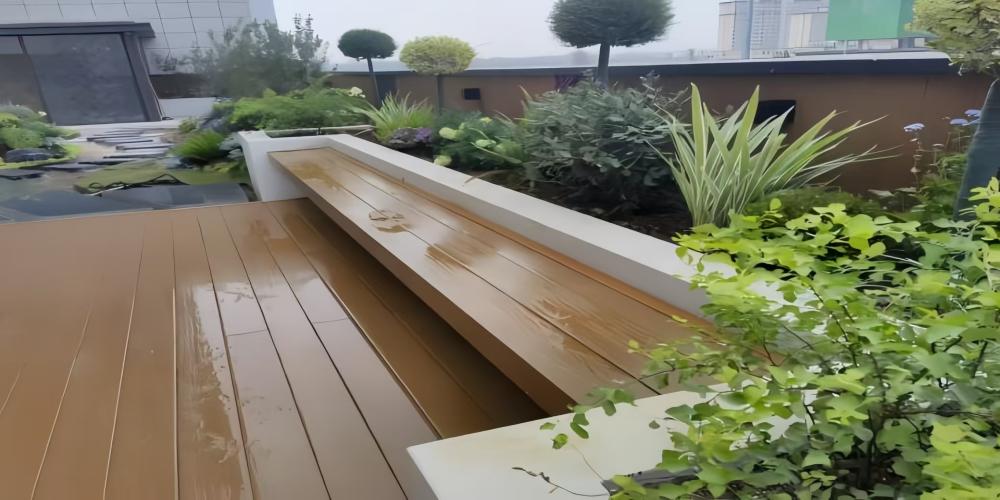
Selecting the correct structural profile is a fundamental step in sourcing successful Wood-plastic composite flooring. By understanding the distinct advantages of solid, hollow, and capped profiles, you can build a targeted and competitive product portfolio for your region. Partner with Zhensure to access a full spectrum of high-quality profiles, and let us ensure your next wood-plastic composite flooring shipment is precisely configured to meet the specific demands of your clients' projects, driving growth and building your reputation as an expert supplier.
As outdoor living spaces evolve, a striking design trend has emerged: dark-toned decking. More homeowners and designers are selecting deep charcoal, rich walnut, and graphite shades to create sophisticated, tranquil retreats. This shift is not merely aesthetic—it reflects a desire for grounding, security, and effortless elegance. At Zhensure, our Wood-plastic composite flooring captures this mood perfectly, offering the beauty of exotic hardwoods without the traditional drawbacks of timber.
For importers and distributors seeking products that deliver lasting value, understanding the engineering behind Wood-plastic composite flooring is essential. At Zhensure, we manufacture composite decking that combines advanced material science with practical design, resulting in a product that outperforms traditional alternatives across every meaningful metric.
For architects and landscape designers working on high-end residential and commercial projects, material selection is a critical decision that balances aesthetic vision with long-term performance. Increasingly, Wood-plastic composite flooring has become the preferred specification for discerning professionals who demand both beauty and durability from their building materials.
For importers and distributors evaluating new product lines, understanding the technical specifications and quality benchmarks of Wood-plastic composite flooring is essential for making informed sourcing decisions.
Transform your garden, rooftop, or poolside into a stunning, low-maintenance oasis with advanced Wood-plastic composite flooring. Engineered for lasting beauty and performance, this innovative material is the ideal foundation for any outdoor living area, offering a perfect balance of style, durability, and effortless care.