


News Center
Shandong Zhensure New Materials Technology Industry Co., Ltd.

When selecting WPC (Wood Plastic Composite) decking for a project, buyers are often faced with a fundamental choice right from the sta
rt: hollow or solid core profiles. While they may look similar on the surface, this internal structural difference significantly impacts performance, cost, and ideal application areas. At Zhensure, a leading Chinese manufacturer specializing in high-performance WPC solutions for global markets, we believe that understanding this core distinction is key to specifying the perfect material for your needs. This guide will explore the differences between hollow and solid WPC decking to help you make an informed decision.
Understanding the Core Difference: Structure Defines Application
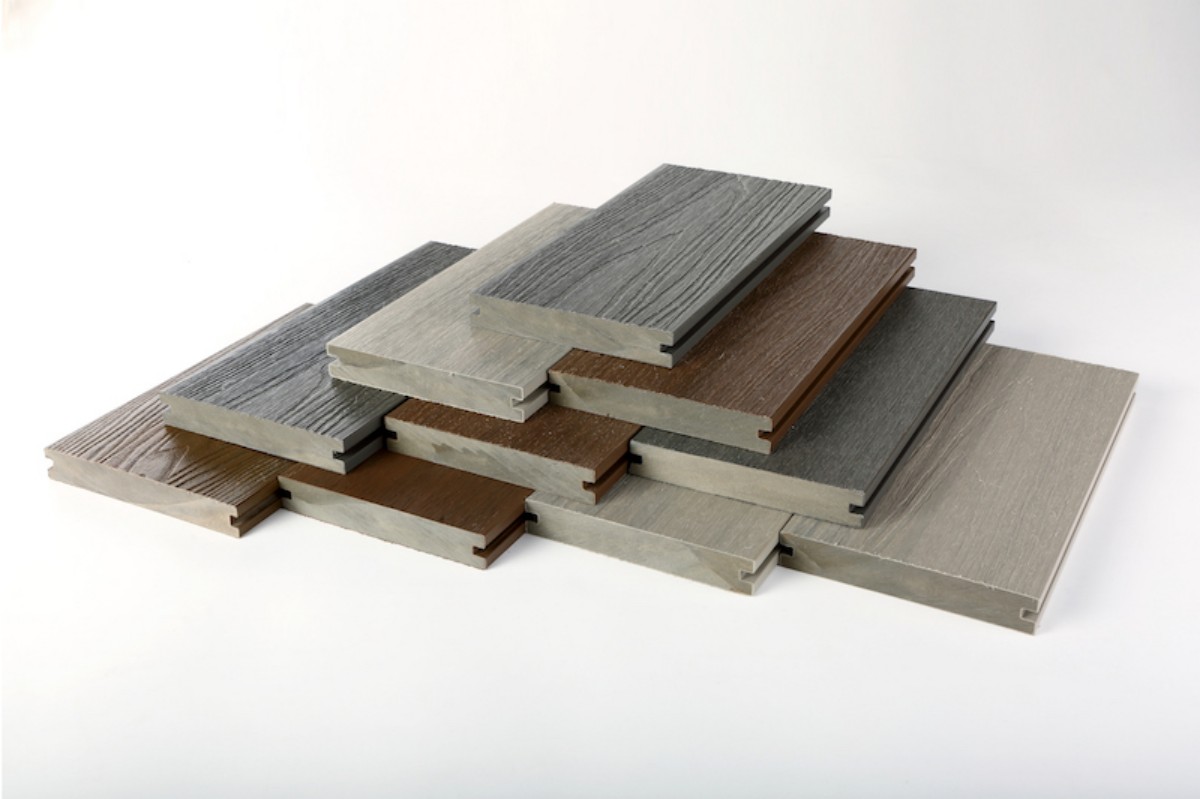
The primary classification of WPC boards lies in their cross-sectional design. Hollow profiles feature a multi-chambered, lightweight structure, while solid profiles are, as the name suggests, completely dense. This simple difference dictates their strengths and best-use scenarios.

The Strength and Premium Performance of Solid WPC Decking
Solid WPC decking is renowned for its exceptional strength and durability. The dense core provides superior load-bearing capacity, making it the ideal choice for high-traffic commercial applications. Its increased density also contributes to enhanced resistance against impacts and extreme weather conditions.
Ideal For: Public parks, boardwalks, commercial plazas, and any area expecting heavy foot traffic or where maximum durability is a priority.
The Versatility and Value of Hollow WPC Decking
Hollow WPC decking offers an excellent balance of strength and affordability. The engineered hollow structure provides remarkable rigidity while reducing material usage, which translates to a lighter weight and more cost-effective solution. It is easier to handle and install, making it a favorite for residential projects.
Ideal For: Private gardens, balconies, patios, and residential terraces where excellent performance is required without exceeding the budget. You can explore our range of versatile profiles on our WPC decking product page.
Choosing the Right Surface: Co-extruded vs. Non Co-extruded
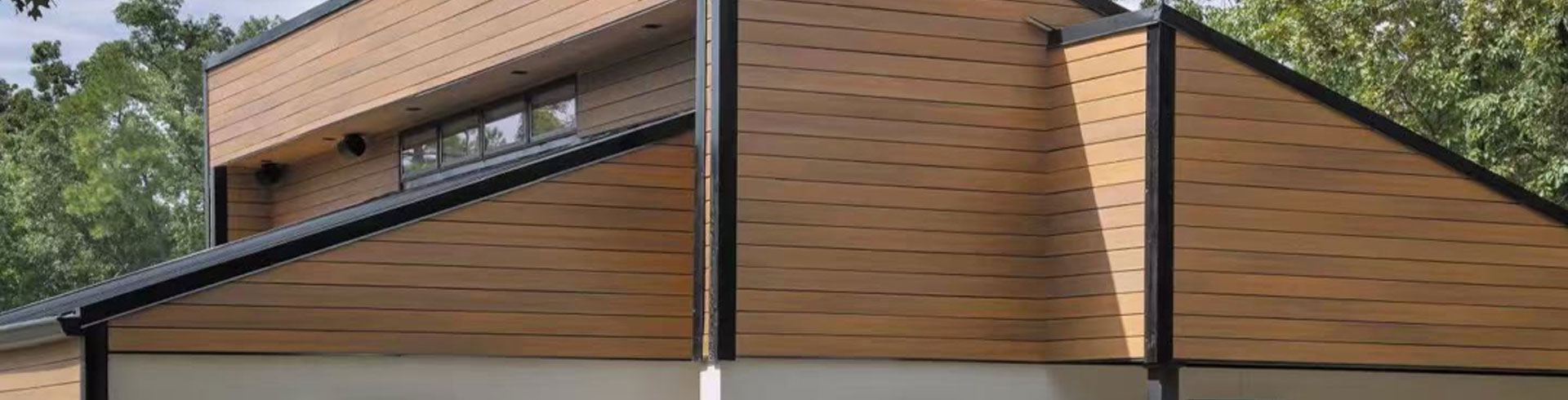
Beyond the core, the surface technology is crucial for longevity. Standard non co-extruded WPC has a realistic wood-grain texture but is more susceptible to surface wear over time. For superior protection, Zhensure recommends co-extruded WPC. This advanced type features a durable polymer cap layer that provides outstanding resistance to moisture, UV rays, stains, and mildew, ensuring the deck retains its beauty for years with minimal maintenance.
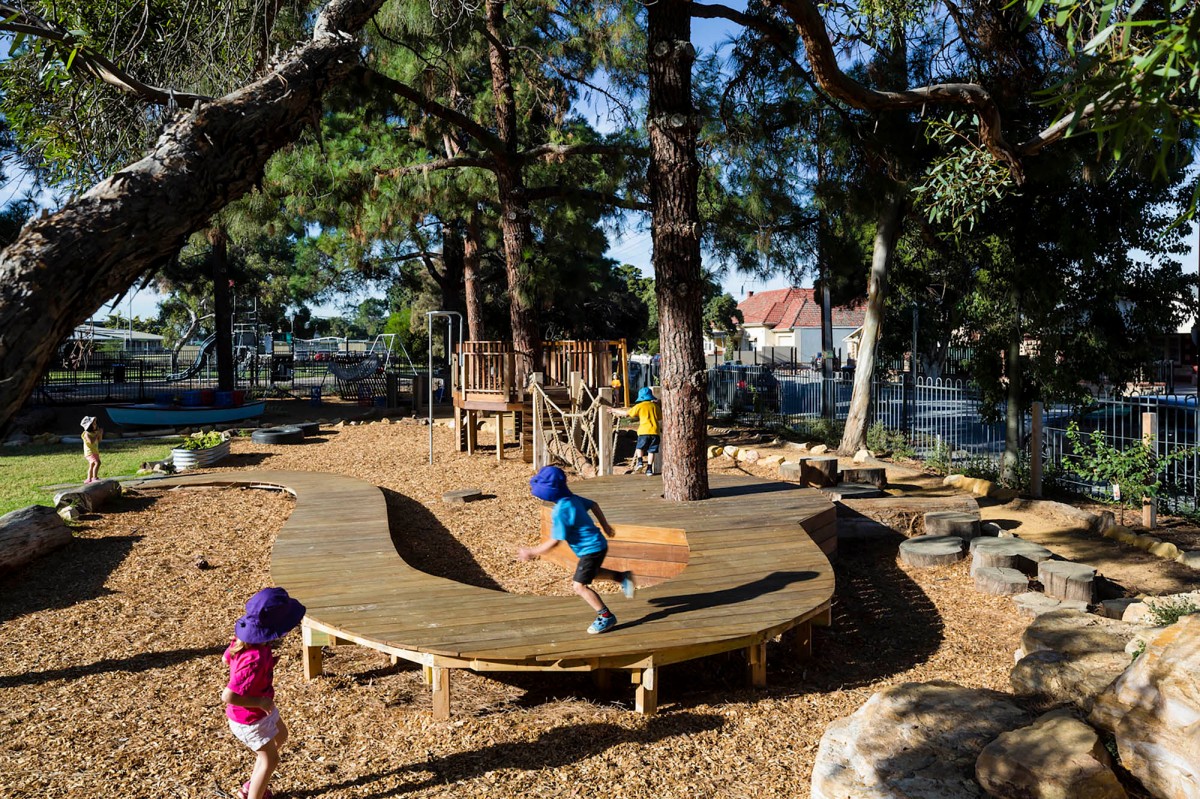
Perfect Applications for Your WPC Decking
Choosing the correct profile ensures project success:
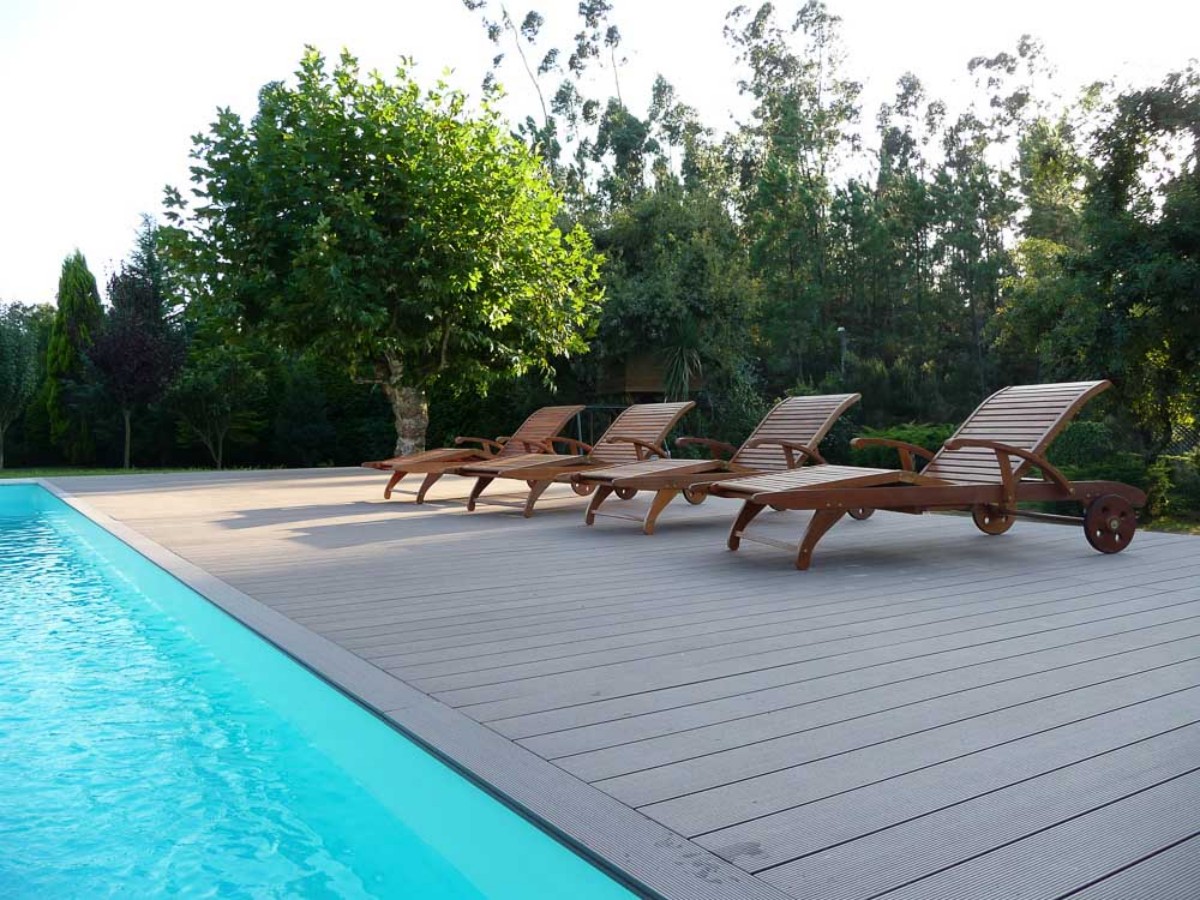
Residential Havens: Both hollow and solid WPC are perfect for creating beautiful, low-maintenance outdoor living spaces in homes and villas. For areas around pools, co-extruded solid WPC is highly recommended.
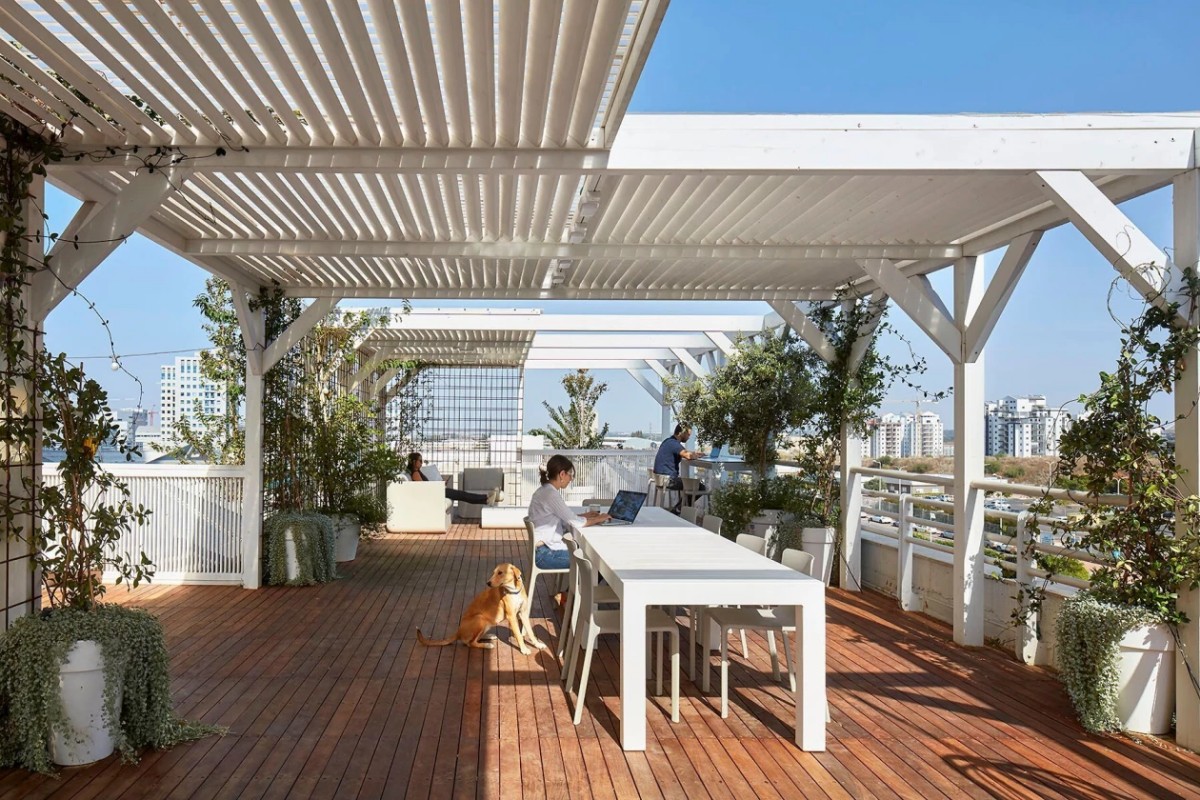
Commercial Spaces: Enhance office building rooftops, hotel terraces, and restaurant courtyards with the robust performance of solid WPC decking.
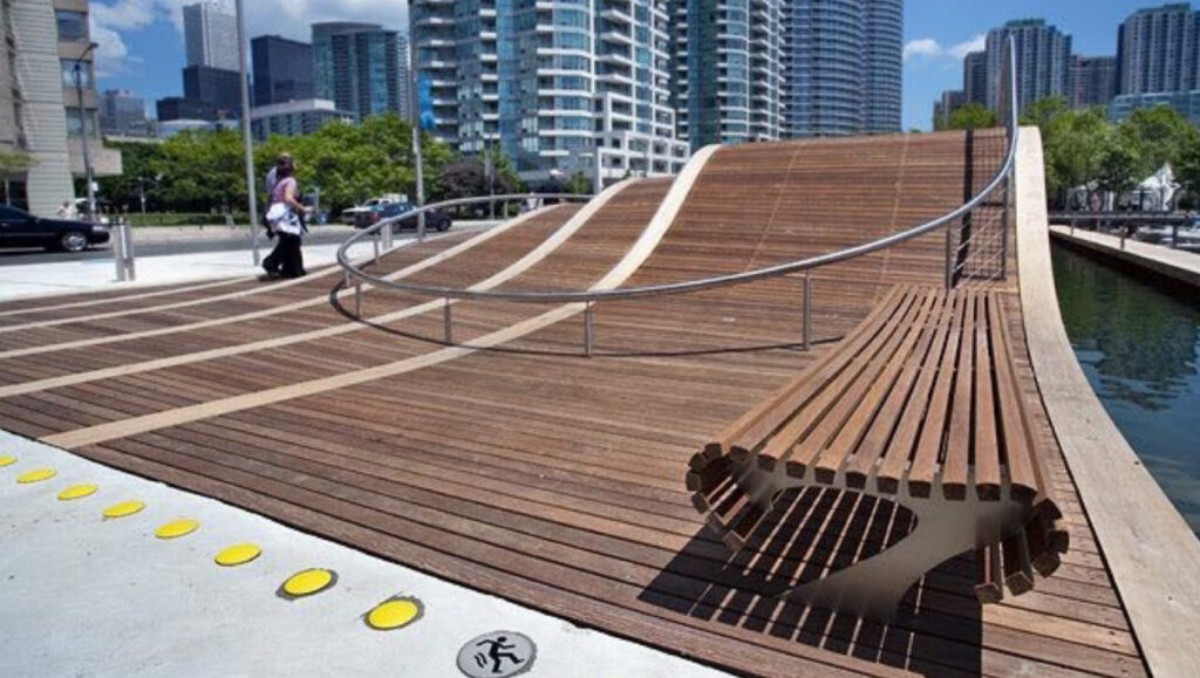
Public & Coastal Projects: Parks, school grounds, and especially coastal boardwalks benefit immensely from the durability and moisture resistance of high-grade solid WPC materials.
Conclusion
The decision between hollow and solid WPC decking ultimately hinges on the specific demands of your project, balancing factors like budget, expected load, and location. By understanding the distinct advantages of each type, you can confidently select a material that delivers both performance and value. As a trusted factory with extensive export experience, Zhensure is committed to providing importers and distributors with premium-quality WPC solutions tailored to diverse market needs. Partner with us to supply your clients with the ideal decking for every application.
As outdoor living spaces evolve, a striking design trend has emerged: dark-toned decking. More homeowners and designers are selecting deep charcoal, rich walnut, and graphite shades to create sophisticated, tranquil retreats. This shift is not merely aesthetic—it reflects a desire for grounding, security, and effortless elegance. At Zhensure, our Wood-plastic composite flooring captures this mood perfectly, offering the beauty of exotic hardwoods without the traditional drawbacks of timber.
For importers and distributors seeking products that deliver lasting value, understanding the engineering behind Wood-plastic composite flooring is essential. At Zhensure, we manufacture composite decking that combines advanced material science with practical design, resulting in a product that outperforms traditional alternatives across every meaningful metric.
For architects and landscape designers working on high-end residential and commercial projects, material selection is a critical decision that balances aesthetic vision with long-term performance. Increasingly, Wood-plastic composite flooring has become the preferred specification for discerning professionals who demand both beauty and durability from their building materials.
For importers and distributors evaluating new product lines, understanding the technical specifications and quality benchmarks of Wood-plastic composite flooring is essential for making informed sourcing decisions.
Transform your garden, rooftop, or poolside into a stunning, low-maintenance oasis with advanced Wood-plastic composite flooring. Engineered for lasting beauty and performance, this innovative material is the ideal foundation for any outdoor living area, offering a perfect balance of style, durability, and effortless care.