


News Center
Shandong Zhensure New Materials Technology Industry Co., Ltd.
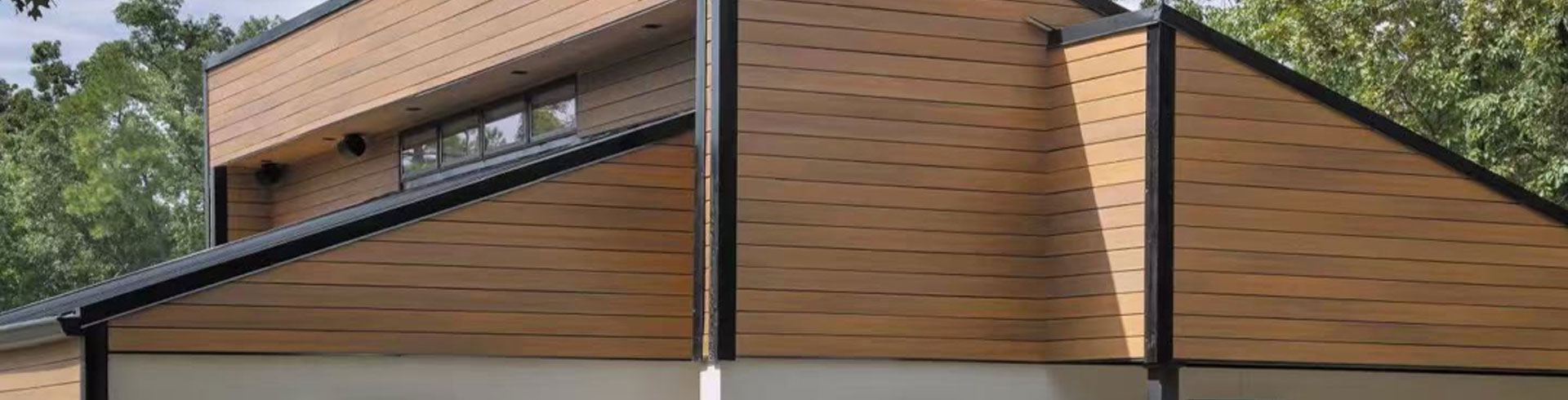

Choosing the right wood-plastic composite (WPC) flooring and determining which type is best suited for your local market significantly impacts customer satisfaction and project success. For importers and distributors, understanding key selection criteria helps you provide expert guidance to your clients and ensures the products you offer perfectly match their local application needs. At Zhensure, we leverage our extensive manufacturing experience to help our partners make these critical choices, ensuring every batch of WPC flooring meets precise performance requirements.
In the diverse global composite flooring market, a one-size-fits-all approach simply doesn't work. The ideal product varies depending on foot traffic, budget constraints, and regional climate. This guide provides a clear framework to help you select the most appropriate WPC profiles and types for different scenarios.
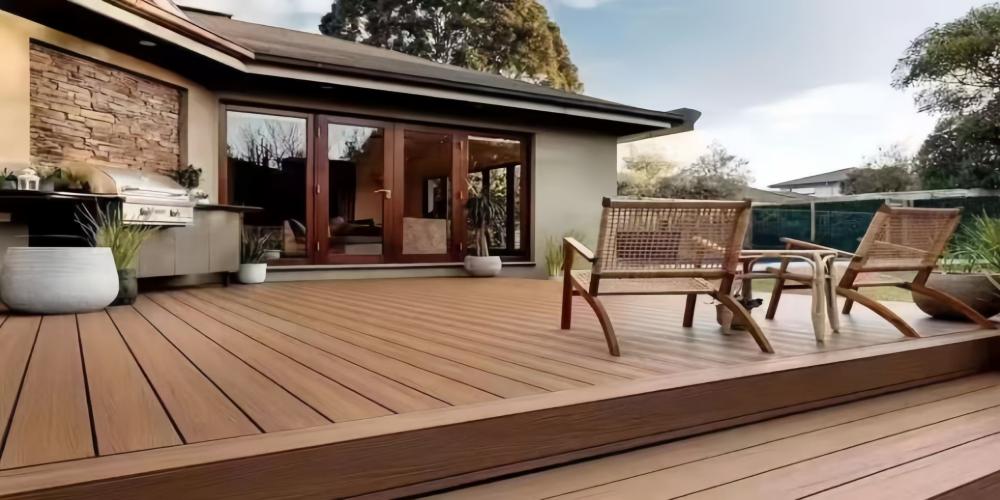
1. Matching Products to Applications: Foot Traffic and Usage
High-Traffic Commercial and Public Areas: For projects like public walkways, restaurant patios, or plaza decks, durability and load-bearing capacity are paramount. We recommend using solid or thick-walled hollow profiles. These profiles offer maximum structural strength and resistance to heavy loads and continuous foot traffic, ensuring long-term performance with minimal deformation.
Residential and Light Commercial Use: For private gardens, balconies, residential patios, and low-traffic commercial spaces, our standard hollow profiles offer an excellent balance of performance and value. They provide sufficient strength for furniture and gatherings, while their lightweight nature simplifies handling and installation for contractors.
Aesthetic Focus and High-End Projects: If visual appeal is a primary consideration for high-end residential or boutique commercial spaces, our capped composite decking with enhanced wood grain texture is the ideal choice. It offers superior fade and stain resistance, maintaining its premium appearance for years.
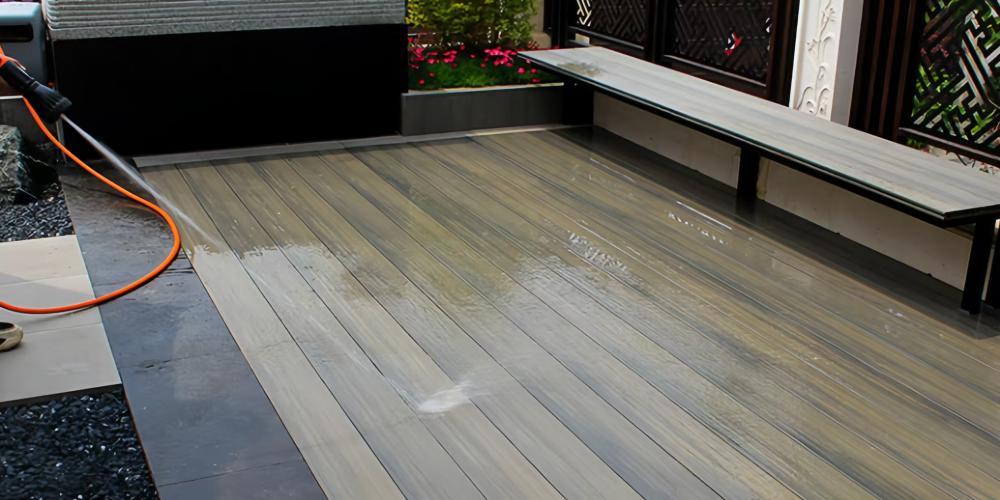
2. Aligning with Budget Requirements
Offering a product range that covers different price points is crucial for capturing a broader market.
Premium Range: Our capped composites and solid profiles represent the premium range, offering the best durability, aesthetic retention, and warranty coverage. This is suitable for clients who prioritize long-term value over initial cost. Value Series: Standard hollow profiles offer the core advantages of WPC—durability, low maintenance, and moisture resistance—at a more affordable price, suitable for most residential projects.
Economy Series: For budget-conscious markets or projects, we offer cost-effective options that maintain basic weather resistance and functionality in light-duty applications, helping you stay competitive in price-sensitive markets.
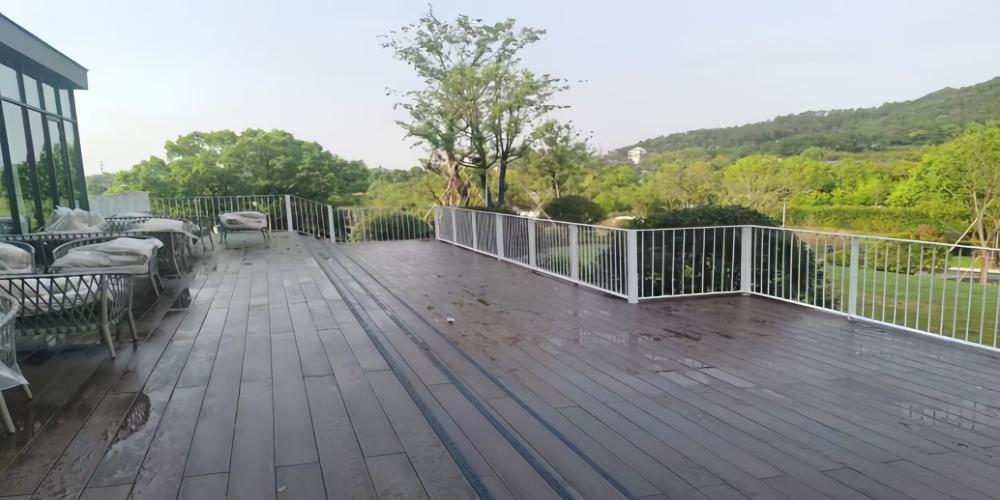
3. Consider Regional Climate Conditions
Local environmental conditions determine specific performance requirements.
Humid Climates: In areas with high rainfall or humidity, good drainage is crucial to prevent water accumulation. Our hollow profile design is engineered to promote airflow and drainage. Additionally, the inherent moisture resistance of all our WPC products prevents rot and mold growth, a significant advantage over wood.
Hot and Dry Climates: For areas with intense UV exposure, choosing capped composite decking is essential. The protective polymer coating contains advanced UV inhibitors that significantly reduce fading and surface degradation, preserving the beauty of the decking.
Cold and Freeze-Thaw Climates: In areas with significant temperature fluctuations, the material's resistance to thermal expansion and contraction is critical. Our composite materials offer dimensional stability. Correct installation guidelines (including adequate expansion joints) are crucial, and we will provide support to ensure successful installation even in challenging climates.
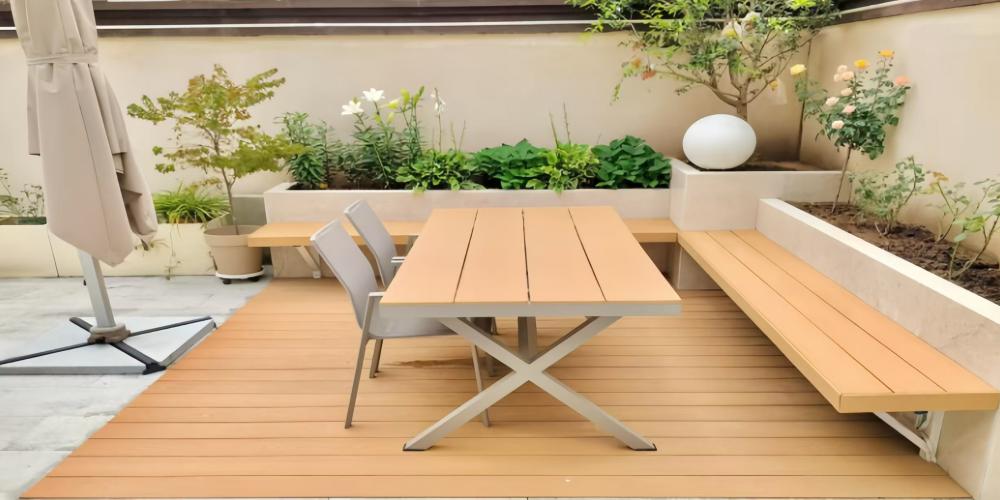
Choosing the right wood-plastic composite decking requires careful consideration of application, budget, and climate conditions. As your manufacturing partner, Zhensure offers a comprehensive product range and expert technical knowledge to help you confidently navigate these factors. By selecting the appropriate profile for each project, you can ensure the long-term success of your customers' installations and solidify your reputation as a reliable supplier. Contact us today to discuss your specific market needs and let us help you configure the perfect wood-plastic composite decking products for your target customers.
When designing outdoor pool and spa areas, safety and longevity are non-negotiable. Wood-plastic composite flooring from Zhensure is engineered to meet these demands, providing a secure, beautiful, and worry-free surface that outperforms traditional materials in wet, sun-exposed environments.
Forcontractors,builders,andDIYenthusiastsalike,installationefficiencyisacriticalfactorinmaterialselection Wood-plasticcompositeflooringfromZhensureisdesignedwithuser-friendlyinstallationinmind,reducinglabortimeandcomplexitywhiledeliveringprofessionalresultsthatenhanceanyoutdoorspace Straightforwa
Creating a beautiful outdoor space shouldn't come with the burden of constant maintenance. Many homeowners dream of a perfect garden retreat but worry about flooring that fades, warps, or deteriorates under sun and rain. With advanced Wood-plastic composite flooring, those concerns become a thing of the past, allowing families to focus on what truly matters—enjoying time together outdoors.
The global outdoor building materials market is rapidly evolving, driven by consumer and regulatory demands. For forward-thinking importers and distributors, understanding these changes is crucial to selecting the right suppliers and product lines. As a leading manufacturer, Zhensure consistently stays ahead of industry trends, integrating innovation directly into our wood-plastic composite flooring products to meet the future needs of the global market.
The true mark of a superior building material lies in its adaptability across diverse applications. For professional importers and distributors, offering a product with multifaceted use cases maximizes inventory value and addresses a broader market.